The Wealth of Nations
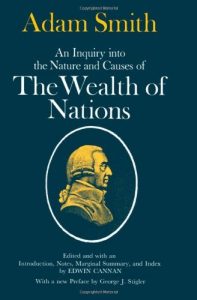
The Wealth of Nations, also called An Inquiry into the Nature and Causes of the Wealth of Nations, is considered as the greatest book to have been written on the subject of Economics. Written as far back as 1776 by Scottish philosopher and renowned father of Economics, Adams Smith, the principles put forth in this enormous volume remain valid and applicable for these times. After going through The Wealth of Nations, I came to the conclusion that no political leader can bring prosperity to a nation unless they have either read or understood the principle highlighted in the book. I also believe that the reason why Africa has remained poor and underdeveloped is that it has continued to ignore this same underlying principle. In this piece, we will try to answer three questions: Why is the Wealth of Nations a must-read for all world leaders? What is the underlying principle that Africa is ignoring? What is the one thing that Africa must begin to do if truly desires to catch up with the rest of the world?
Things Fall Apart
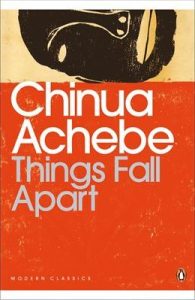
Things Fall Apart, a 1958 novel by Chinua Achebe, is regarded as one of the greatest books to have come, not only out of Nigeria and Africa but the world at large. It is also one of the first books from the African continent to have received global critical acclaim. Things Fall Apart was ranked by Times Magazine as one of the 100 greatest books to have ever been written. The book has so far been translated into more than 50 languages and is taught in high schools across the world. Among Africans, Things Fall Apart is believed to give a correct depiction of the African culture before colonization; but to a curious and unbiased observer, certain events in the book pose big questions as to the intention and worldview of the author. What truly contributed to the immense and inexplicable success of Things Fall Apart? What gave it so much global appeal? Could there be another message in this book that Africans are getting totally wrong or turning a blind eye to? Does Things Fall Apart actually promote the African worldview? Does it in any way condemn the Whites for desecrating certain long-standing African traditions? In this review, we will be answering this one critical question: was Things Fall Apart intended to promote the African culture or was it intended to debunk many African myths; or did the author intend to achieve both purposes by fitting elements of sarcasm into an enchanting story?
The 48 Laws of Power

Regarded as one of the most controversial books in modern history, The 48 Laws of Power by Robert Green has met with reviews and criticisms from various quarters. While some consider this intricate volume to be very fascinating and enlightening, some others consider it to be vile and despicable. There are also those who consider the book to be amoral because of the way the laws are illustrated with anecdotes and historical examples. Greene himself professes to have written his book from the amoral standpoint. He sees his work as an exposé and his critics as hypocrites who do not want their strategies to be divulged to the public. I have met quite a number of people who have read, or skimmed through, the pages of this controversial book, and I can say that opinions run across many divides. But in this piece, I will try to explain what I call a Biblical review of the 48 Laws of Power. We will be taking the Bible as a lamp with which we will examine the principles taught in this book to find answers to two critical questions: Does the book teach practical truths or does it promote devilish machinations? Should a Christian read and practice Greene’s 48 laws of power?
Think and Grow Rich
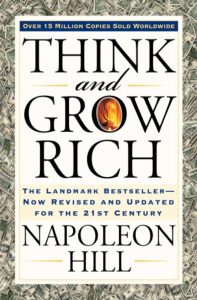
Think and Grow Rich is considered as one of the greatest books ever written on the subject of personal success. Written by Napoleon Hill in 1937, the book remains true and relevant today. Think and Grow Rich aims to identify and demystify a fundamental principle of success; yet it does not announce this principle but expects the reader to find it themselves. Hill names this principle after Andrew Carnegie, the man who challenged him to discover and write down the secrets of the successful business people of his era. After interviewing some of the most successful people in his time, Hill condensed the secrets he learnt into this unified principle which he called The Carnegie Secret. In this review, we will try to identify Hill’s fundamental principle of success and how it applies to the individual trying to find success and fulfillment today. What is this fundamental principle of success? How can it be found? And how does one apply it in today’s ever-changing world?